Skip to content
How to Temporarily Fix a Hose Leak

How to Temporarily Fix a Hose Leak

When a hose starts leaking, your first priority is to stop the leak quickly to prevent water damage or downtime. The fast fixes outlined here are temporary measures to seal a hose leak and buy you time until you can do a permanent repair. While hose clamps (like a sturdy 2in hose clamp or other appropriate size) and replacing the hose are the ultimate solution, the methods below are handy in a pinch. We will cover three proven methods: Self-Fusing Silicone Tape, Adhesive-Lined Heat-Shrink Sleeves, and Quick Couplers. Each method can be applied with minimal tools and will work on a variety of hoses (garden hoses, automotive hoses, etc.) to contain the leak.

(Remember: These are temporary fixes. Always plan to replace the damaged hose section or securely clamp it with a proper permanent stainless steel clamp afterwards to ensure a lasting repair. Now, let’s look at the methods.)

Method 1 — Self-Fusing Silicone Tape (Emergency Hose Wrap Repair)

Using self-fusing silicone tape is one of the quickest ways to seal a small hose leak. This special tape (often used in automotive, plumbing, and marine applications) has no adhesive; it fuses to itself when stretched and wrapped, creating an airtight, waterproof seal. Silicone tape is heat-resistant and chemical-resistant, making it suitable even for hot radiator hoses or fuel lines. It’s essentially a hose leak tape that works on 2" hose clamp size leaks and smaller cracks. Keep a roll in your toolbox for emergencies.

Steps to Fix a Leak with Self-Fusing Silicone Tape:

  1. Turn off the flow and dry the hose: First, shut off water or fluid pressure to the leaking hose. Wipe the area around the leak dry. The tape will bond better to a clean, dry surface (moisture or dirt can prevent a good seal).

  2. Prepare the silicone tape: Peel back a length of self-fusing silicone tape. Remove any protective film (if applicable). Cut a piece long enough to cover the leak and extend a few inches on either side.

  3. Stretch and wrap the tape: Start a few inches away from the leak and begin tightly wrapping the tape around the hose. Stretch it to activate the self-fusing property and overlap each wrap by 50% as you go. As you pass over the leaking section, maintain tension on the tape and continue wrapping well beyond the leak. This overlapping, stretched wrapping forces the tape to fuse into a solid rubbery band that seals the hole.

  4. Build up layers: For a strong patch, wrap several layers (3-5 layers or more) of tape across the leak area. The more you stretch and layer it, the better it self-bonds. You want a slightly wider band of tape than the leak area for a good hold.

  5. Press firmly and allow it to fuse: After wrapping, squeeze the taped area with your hands to ensure the layers fuse together. Given a few minutes, the silicone will bond to itself into a single piece. Now turn the water on slowly and check – the leak should be sealed or at least greatly slowed.

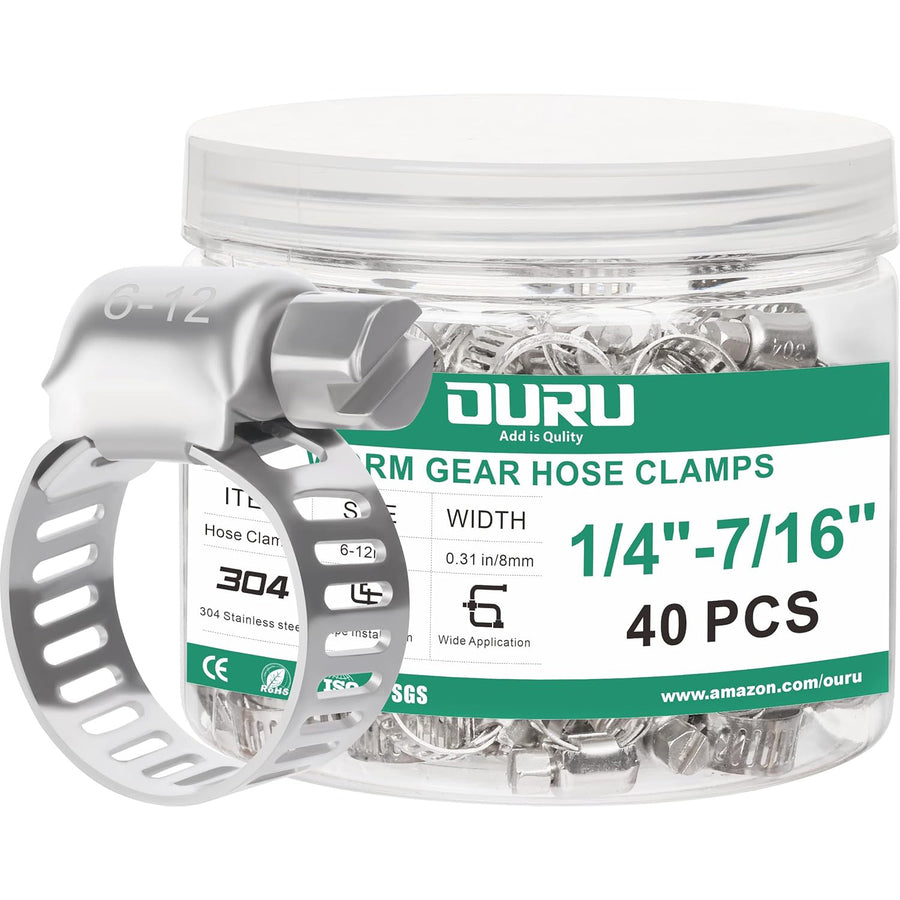
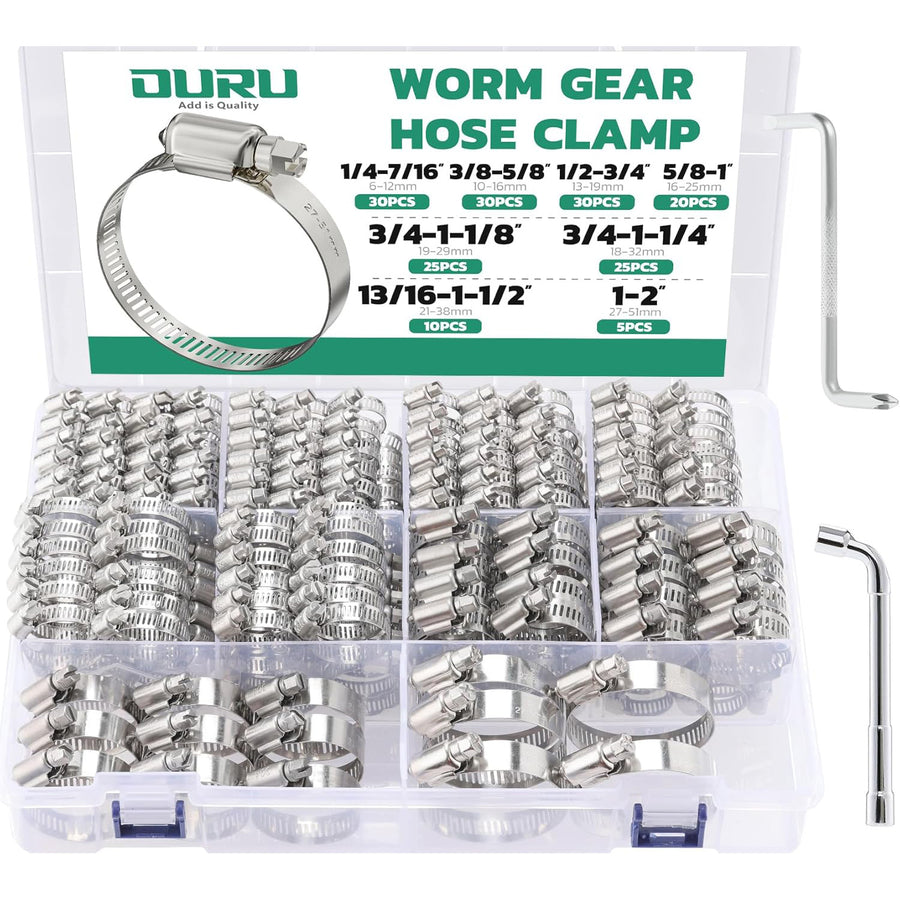
Self-fusing tape can temporarily create a watertight seal on a hose, but it is not a permanent fix on its own. Monitor the patch because very high pressure or heat may eventually cause it to leak again. As a precaution, you can also tighten a hose clamp over the taped section once applied. Using a quality metal clamp (for example, a durable stainless clamp from an Ouru kit) over the tape adds reinforcement and peace of mind. This combination can hold even for high-pressure hoses until you can replace or properly repair the hose. Ouru’s hose clamps kit provides multiple sizes (including common 1 inch and 2 in hose clamp sizes) that you can use to secure such emergency tape repairs, ensuring the leak stays sealed.*

(Keep a self-fusing silicone tape roll in your repair kit along with a set of stainless steel hose clamps. Ouru offers an affordable Hose Clamps Kit that includes a range of clamp sizes – perfect for reinforcing taped leaks or doing permanent fixes once you’re ready.)

Complete stainless roll-and-fastener bundle; create any diameter worm gear clamps for ducting, exhaust, marine, or HVAC repairs.

Method 2 — Adhesive-Lined Heat-Shrink Sleeve (Sealing Sleeve Fix)

Another clever way to stop a pinhole leak or small split in a hose is to use an adhesive-lined heat-shrink tubing. These are often used for electrical wire repairs, but heavy-duty versions can work for hose leak repair as well. The tubing is a shrinkable plastic sleeve with inner adhesive: when heated, it contracts and the melted adhesive inside seals gaps. This method effectively “shrinks” a patch over the leak, creating a tight waterproof wrap. It’s especially useful for plastic or rubber hoses in plumbing and automotive contexts as a short-term fix.

Steps to Fix a Leak with an Adhesive Heat-Shrink Sleeve:

  1. Select the right size tubing: Choose a piece of dual-wall (adhesive-lined) heat-shrink tubing that is wide enough to slide over the hose and longer than the leak area. Common shrink ratio is 3:1, meaning it will shrink to one-third its original diameter. For example, a 2-inch diameter shrink sleeve can tighten down to under 3/4 inch. Ensure the tubing’s final shrink size is slightly smaller than the hose diameter for a snug fit.

  2. Shut off and clean the hose: Turn off the water or fluid flow and relieve pressure. If possible, disconnect one end of the hose (to make sliding the sleeve on easier). Clean and dry the area around the leak. Any dirt or grease can prevent the heat-shrink’s adhesive from sticking well.

  3. Position the heat-shrink sleeve: Slide the cut piece of heat-shrink tubing onto the hose and center it over the leak section. Make sure the leak is roughly at the middle of the sleeve’s length so that both sides will bond.

  4. Heat evenly to shrink: Using a heat gun (or even a strong hair dryer or lighter carefully, if you have no heat gun), apply heat evenly around the tubing. Keep the heat source moving to avoid burning. As the tube heats, you’ll see it contracting around the hose. Continue heating until it has fully shrunk and you see adhesive oozing out at the ends of the sleeve – this indicates the inner glue has melted and is sealing the hose surface. Caution: The tubing and hose will get hot during this process, so use gloves and be careful.

  5. Let it cool and set: Once fully shrunk, let the sleeve cool down and the adhesive solidify. This creates a hardened wrap over the leak. After a few minutes, test the repair by gradually turning the water on. A properly applied heat-shrink sleeve can stop small leaks effectively.

An adhesive-lined heat-shrink fix can hold off leaks temporarily in a variety of hoses (it’s even used in plumbing for minor pipe leaks). However, like the tape method, this is not meant to be permanent. The seal may eventually weaken under pressure or with time. For extra support, you can clamp the ends of the shrink sleeve onto the hose. For instance, put a worm-drive hose clamp at each end of the shrunk tube to keep it tightly in place over the leak. Using stainless steel hose clamps (such as those in Ouru’s kit) will ensure the sleeve doesn’t slip, and adds durability to this quick fix.

(High-quality stainless steel worm gear clamps from the Ouru kit can be fastened over a heat-shrink repair to reinforce it. This way, you combine the sealing power of the adhesive shrink with the holding strength of a metal clamp – a reliable combo for a “get-home” fix. Always carry a few worm drive clamps of various sizes (1 inch, 2 inch, 4 inch, etc.) along with some shrink tubing in your toolbox for emergencies.)

Method 3 — Quick Couplers (Hose Mender with Clamps)

If the hose has a large tear or the previous methods won’t hold, the best temporary fix is to cut out the damaged portion and install a quick coupler (also known as a hose mender or coupling). This involves using a small connector fitting to join the cut ends of the hose. Quick couplers can be plastic or metal barbed fittings, or compression-style menders, that slide into each end of the hose. They effectively bypass the leak by creating a new joint in the hose. Hose clamps are then used to secure the coupler, making a tight seal at each end. This method is slightly more involved but provides a robust fix that can handle moderate pressure until you get a new hose or a permanent repair.

Steps to Fix a Leak with a Coupler and Clamps:

  1. Shut off and mark the leak area: Turn off the hose’s water supply or relieve system pressure. Identify the leaking section of the hose – usually, you’ll see a split, crack, or pinhole. If the leak is near a hose end or coupling, it might be better to replace that end; but if it’s mid-hose, proceed to cut it out.

  2. Cut out the damaged portion: Using a sharp utility knife or hose cutter, cut the hose cleanly on both sides of the leak. Remove the damaged piece entirely. Make sure your cuts are straight (not angled) to ensure a better fit for the coupler. You may only need to remove a short section (just enough to encompass the torn area).

  3. Choose a suitable coupler: Select a repair coupler that matches your hose’s inner diameter. Common sizes are available (for example, 1/2", 3/4", 1", etc., couplers for garden hoses or radiator hoses). Many couplers are barbed on each end – one end goes into one cut side of the hose, the other end into the other side. If you have a compression coupler, it may have collars that screw on instead of barbs.

  4. Slide hose clamps onto the hose ends: Before inserting the coupler, slip a hose clamp over each cut end of the hose. Use appropriately sized clamps (for instance, a 2 hose clamp or 2 hose clamps in tandem for a 2-inch hose, or smaller line clamps for narrow lines). Do not tighten them yet; just have them in place on the hose.

  5. Insert the coupler into the hose ends: Push one end of the coupler firmly into one side of the cut hose until it seats past the barb (or until the hose end reaches the coupler’s midpoint for compression types). Insert the other end of the coupler into the other cut hose piece. The hose should cover all barbed segments of the fitting. It may take some force – twisting the coupler as you push can help. If it’s a tight fit, you can lubricate the coupler with a bit of water or dish soap.

  6. Position and tighten the clamps: Move the hose clamps so they sit over the area of the hose that is now covering the coupler’s barbs. For each hose end, tighten the clamp securely using a screwdriver or nut driver. Clamp down firmly to compress the hose against the coupler and create a leak-proof seal. If using a compression-type mender, you would now tighten its screws or collars per the product’s instructions (usually also secured with clamps or threaded nut collars).

  7. Test the connection: Slowly turn the water back on and check for leaks around the coupler. If you see slight drips, you may be able to tighten the clamps a bit more. A properly installed coupler with clamps can hold the hose together strongly – often nearly as well as the original unbroken hose for temporary use.

Using a coupler essentially gives your hose a new joint, bypassing the leaky segment. It’s a reliable temporary fix (and can even be a semi-permanent fix) for garden hoses, air hoses, or even automotive coolant hoses in a pinch. In fact, some emergency radiator hose repair kits use this method with a barbed tube and clamps. Remember to use good quality clamps here – they are what keep the connection tight. A stainless steel worm clamp is ideal because it won’t rust and can be tightened very snug. If the hose is large diameter or under high pressure, you might even use two clamps on each side for extra security (this is common for heavy-duty repairs; professionals sometimes place clamps in pairs for safety).

(Having a variety of clamp sizes on hand is crucial for the quick coupler fix. The Ouru hose clamps 2 inch and other sizes from their kit are perfect for this, as you get a range from small 1 inch hose clamps up to larger sizes. With the right clamp ready, a coupler fix can be done in minutes and can last until you’re ready to do a full replacement. Using heavy duty stainless steel hose clamps from Ouru ensures a tight seal on the coupler that won’t loosen even under vibration or heat.)

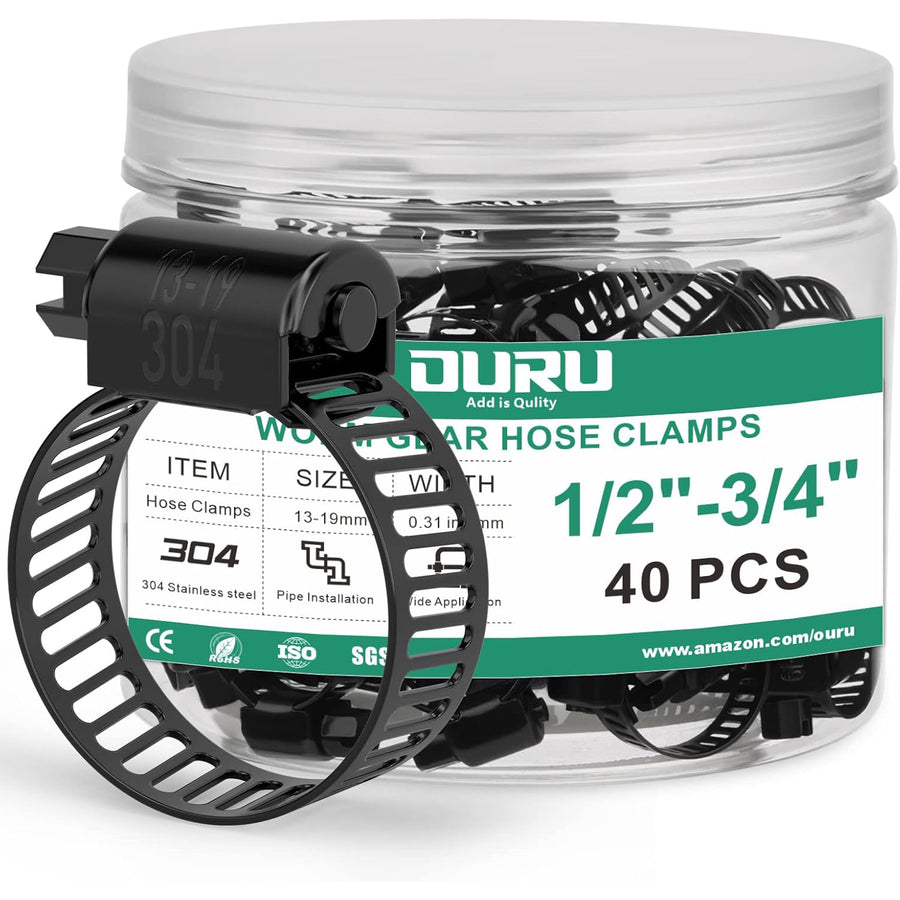
Dryer vent hose clamp detail: full 304 stainless band with perforations, anti-rust build for HVAC duct and laundry exhaust tubes.

Conclusion

Temporary fixes like silicone tape wraps, heat-shrink sleeves, and couplers are lifesavers when you need to stop a leak fast. They can buy you time and prevent water damage, allowing you to keep using your equipment until a proper repair can be arranged. We’ve shown how each method can be applied step by step – from a quick tape wrap fix to a more involved cut-and-couple repair. These techniques are useful for anyone: homeowners dealing with a burst garden hose, marine technicians handling a leaking boat hose, or plumbers managing an emergency pipe leak on a job.

It’s important to emphasize that all these solutions are temporary. As one plumbing expert notes, you should treat silicone tape or similar patches as a stopgap while you prepare for a permanent fix. After stabilizing the situation, plan to either replace the faulty hose (or section of pipe) or implement a long-term repair. In many cases, the permanent solution will involve securing the hose with a proper hose clamp or replacing it entirely. For example, once you get a new hose or part, use a stainless steel hose clamp to attach it firmly and prevent future leaks.

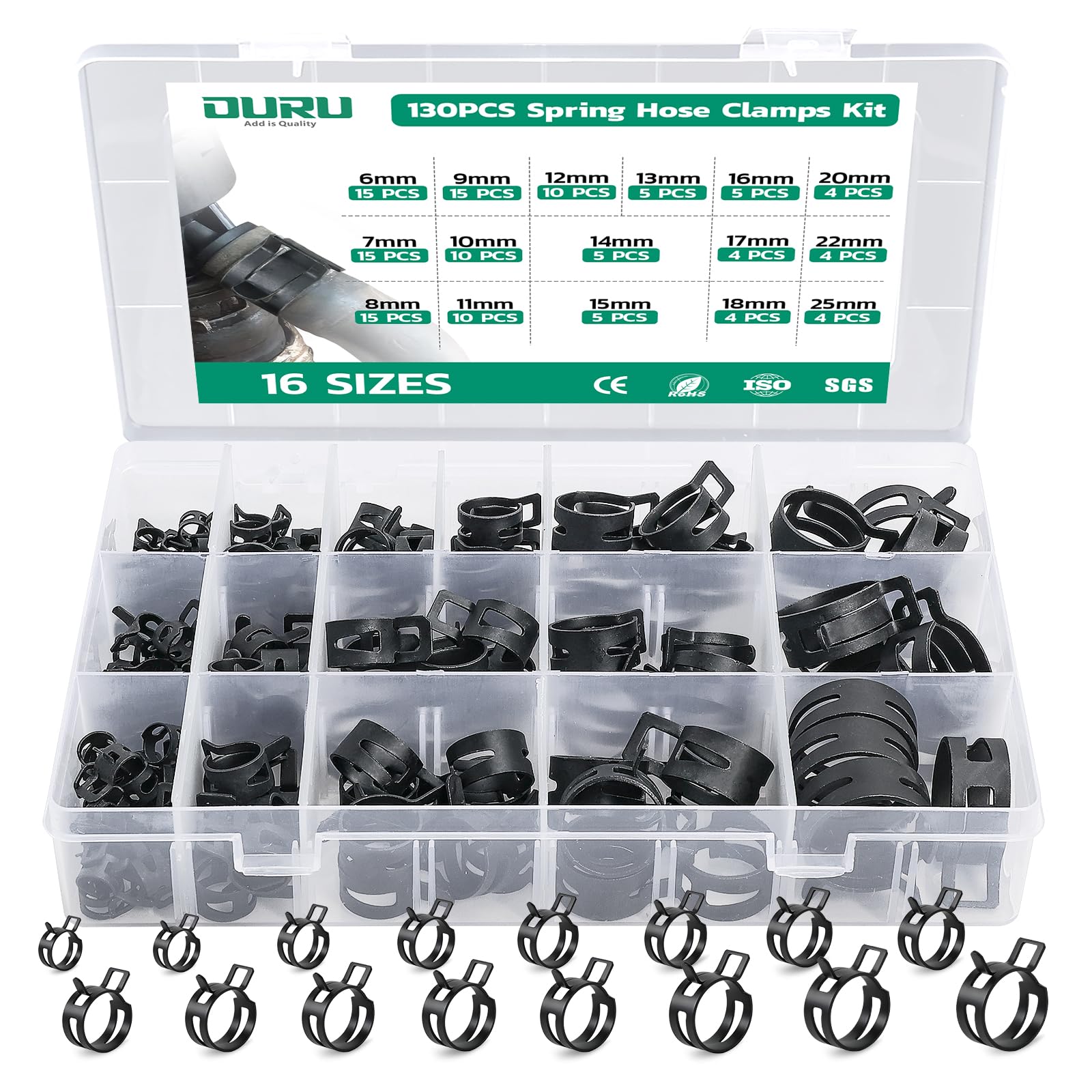
Choosing the right clamp is critical for a lasting fix. Hose clamps come in a wide range of sizes and types – from tiny mini hose clamps (sometimes labeled by size numbers like a #4 hose clamp or #6 hose clamp for 1/4-inch to 1/2-inch tubing) up to large heavy-duty hose clamps for big hoses. Worm-drive clamps (also called worm gear clamps or worm screw clamps) are the most common; they feature a slotted band and a screw mechanism, allowing you to tighten them around the hose. Quality worm-drive clamps are usually made of stainless steel for corrosion resistance and strength (marine-grade clamps, often made from 316 stainless steel, are ideal for marine hose clamps in saltwater environments). You may also encounter spring clamps or wire clamps stainless for certain automotive hoses, as well as special crimping hose clamps that require clamp pliers (common for fuel lines). Regardless of type, ensure the clamp is the correct size (e.g., a 1.5 inch hose clamp for a 1.5" hose, a 4 inch hose clamp for a 4" hose, etc.) and is tightened properly. A clamp that is too small won’t close, and one that is too large may not tighten evenly.

For robust, permanent results, it’s wise to invest in high-quality clamps. The Ouru brand, for instance, offers a heavy-duty stainless steel hose clamps kit that covers sizes from smaller 1″ hose clamps to large 8 inch hose clamps. Having an assortment like this means you’ll always have the right size on hand – whether you need a 1 inch pipe clamp for a home plumbing fix or an 8 inch pipe clamp for an HVAC duct hose. Using the correct clamp from the start will reduce the chance of future leaks and save wear on your hoses. (Remember that multiple clamps can be used for extra security on high-pressure lines or large diameters – e.g., dual 5 inch hose clamps on a 5″ hose can hold better than one).

In summary, to temporarily fix a hose leak, you have several options: wrap it tightly with self-fusing silicone tape, seal it with an adhesive-lined heat-shrink sleeve, or cut it and install a coupler with clamps. Each method can control the leak for long enough to finish your task or reach a point where a permanent repair can be made. Always carry these repair materials if you anticipate possible leaks – a roll of tape, some heat-shrink, and a few couplers and hose clamps (2 inch, 4 inch, etc.) can cover most emergencies. By acting quickly and using the right method, you can minimize downtime and damage.

When you’re ready to make a permanent fix, don’t skimp on quality: replace worn-out hoses and secure your connections with reliable clamps. For instance, Ouru’s stainless steel worm gear clamps will provide a strong, rust-resistant hold on your new hose, ensuring that leak doesn’t return. With the combination of quick-thinking temporary fixes and solid permanent repairs, your hoses and pipes will remain leak-free and dependable.

Need top-notch hose clamps for your repair? Be sure to check out Ouru’s Hose Clamps Kit for a full range of sizes and types of clamps – a single kit that prepares you for any hose repair job. With the right tools and materials on hand, you’ll always be ready to tackle a leaking hose, whether it’s a tiny drip or a gushing burst. Happy fixing!

Sources:

  1. callwisler.com

  2. rockymountainatvmc.com

  3. wiringdepot.com

Previous article How to Keep a Hose from Dripping?
Next article What is the Best Way to Seal a Leaking Hose?

Leave a comment

* Required fields

Compare products

{"one"=>"Select 2 or 3 items to compare", "other"=>"{{ count }} of 3 items selected"}

Select first item to compare

Select second item to compare

Select third item to compare

Compare