With over 10,000 orders
Skip to content
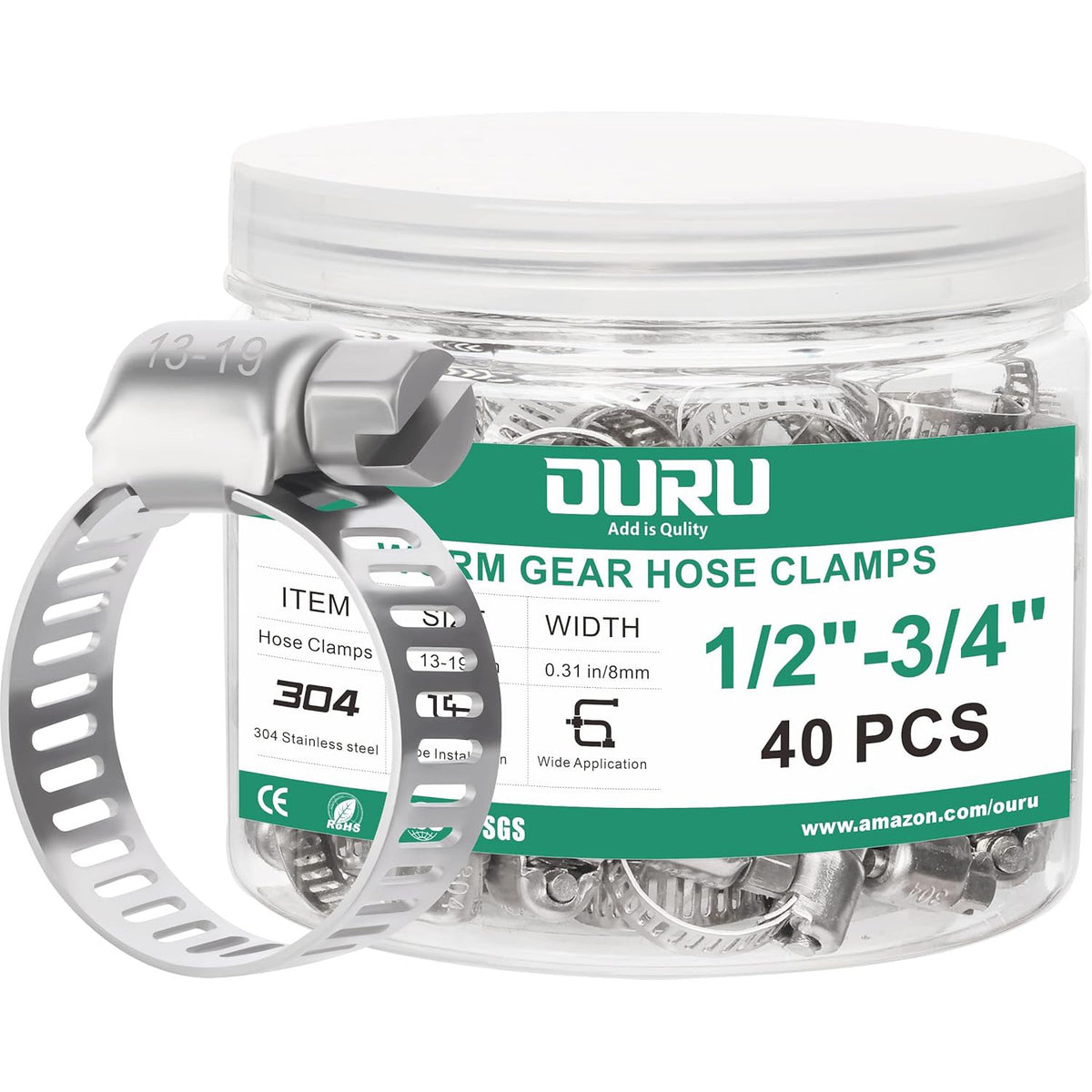
A dripping garden hose can waste water and create annoying puddles. Fortunately, stopping a leak in your hose is usually straightforward. In this guide, we’ll explore how to fix common hose leaks in three areas: at the faucet or hose connector, in the middle of the hose, and at the nozzle or sprayer. With a few basic supplies like replacement washers, tape, or a stainless steel clamp, you can repair the hose yourself instead of buying a new one. These DIY fixes are quick and budget-friendly – especially if you have a kit of quality clamps on hand (such as Ouru’s stainless steel hose clamp assortment for all hose sizes). By the end of each section, you’ll know how to tighten up those connections and keep your hose drip-free.
When water is dripping at the hose’s connection to the faucet (spigot), the culprit is usually a loose fitting or a worn-out washer. First, check the washer inside the hose connector. The rubber washer (gasket) that sits in the female end of the hose can dry out or crack over time, failing to seal the connection. Replacing this inexpensive washer is often the simplest fix – just pry out the old one and pop in a new garden hose washer. Tighten the hose onto the faucet by hand and then give it a slight turn with a wrench (not too hard, to avoid damage). In many cases, this stops the drip immediately. If the leak persists, you can also wrap a bit of Teflon (plumber’s) tape around the faucet’s threads before reconnecting the hose. Winding a few inches of plumber’s tape on the spigot threads helps create a tighter joint that won’t leak. This combination of a fresh washer and snug connection usually fixes most faucet-to-hose leaks.
If a new washer and tape don’t solve the issue, the hose’s connector might be damaged. Over-tightening or long-term use can crack the coupling or strip its threads. In that case, you’ll need to replace the hose end with a new connector. This is also easy: most hardware stores sell female hose repair fittings (often made of brass or plastic) that you can install on your hose. To do this, cut off the old hose end a couple of inches below the bad coupling (use a sharp utility knife to make a clean, straight cut). Then insert the barbed end of the new female connector into the hose. Once it’s pushed in fully, secure it with a hose clamp. A worm-drive hose clamp (the kind with a screw to tighten) works perfectly here – slide it over the hose and new fitting, then tighten the screw evenly until the connection is tight and no gaps are present. This clamp will squeeze the hose around the barb, creating a leak-proof seal. Make sure to use a rust-resistant clamp, ideally a stainless steel hose clamp, so it won’t corrode outdoors. After clamping, hook the hose back up to the faucet and test for drips; the leak should be gone. Using a quality clamp is key to this fix – it keeps the new coupling firmly in place under pressure.
Hoses can also start leaking from the middle of their length – you might notice a spray or drip from a pinhole, crack, or a section that’s been kinked and split. For very small holes or punctures, a quick temporary fix is to wrap the area with tape. Electrical tape or special hose repair tape can seal a tiny leak if applied correctly. Start a few inches before the hole and wrap tightly around the hose, overlapping the tape as you go. Build up 2–3 layers of tape over the leak, extending a bit past it. This can stop the water for a while by creating a makeshift patch. However, tape is usually a short-term solution – under pressure and sunlight, it may loosen or the leak might push through again. It’s a good emergency fix to stop water loss until you can do a more permanent repair.
For a larger leak or a long-term repair in the middle of the hose, the best method is to cut out the damaged section and reconnect the hose using a hose mender (also called a hose coupling). This sounds involved, but it’s a simple DIY task. Start by turning off the water and draining the hose. Identify the leak and use a sharp knife to cut out that damaged part of the hose; cut straight across for a clean edge. Now take a hose repair coupling – it’s a barbed connector piece that bridges two hose ends. Most couplers are two-sided: you’ll insert one end into one cut side of the hose and the other end into the other cut side. Before inserting, slide a hose clamp onto each hose end (don’t forget this step, as the clamps need to be on the hose ready to tighten). Push the coupler’s barbed ends firmly into the hoses (you might wet the barb or use a little soap to make it easier). Get the barb in as far as it will go – the hose should cover all the barbs. Then move the hose clamps into position over the area where the hose covers the barbed fitting and tighten them with a screwdriver. Tighten the clamps evenly on both sides until they are snug and the hose is securely clamped to the coupler. This creates a strong, leak-proof junction, effectively making your hose whole again. Finally, turn the water on slightly to test; if you see a small drip at the new connection, give each clamp a little more tightening until no water escapes. With this fix, you’ve essentially bypassed the damaged section, and your hose should be as good as new.
Choosing the right clamps is important for mid-hose repairs. Worm-drive clamps (the common metal worm gear clamps with a screw) are ideal because you can adjust them easily and they grip tightly. Always use metal clamps for pipes or hoses that are corrosion-resistant – stainless steel hose clamps are perfect for outdoor use since they won’t rust or weaken. In fact, high-quality stainless clamps (often made of 304 or even 316 stainless for marine grade) maintain a strong hold even in wet or harsh conditions, which is why they’re also used as marine hose clamps on boats and as automotive fuel line clamps. These clamps come in many sizes to fit different hose diameters: you can find tiny mini hose clamps for narrow tubing, standard 1 inch hose clamps or 2 inch hose clamps for garden hoses and sump pump hoses, and even heavy-duty stainless steel hose clamps for large hoses and pipes. There are worm drive clamps available for virtually any size you need – from small clamps for tubing to big 4-inch or 5-inch diameter hoses. (Yes, you can get a 4 inch hose clamp or larger! Sizes go up to 6, 8, even 12 inch hose clamps for industrial applications.) If you have an assorted kit like Ouru’s, you’ll have the right size on hand. By selecting the proper clamp size (so that the clamp’s range fits around your hose snugly) and tightening it well, you ensure a reliable fix.
The third common leak point is at the nozzle or sprayer end of the hose. This is where your hose attaches to a spray nozzle, sprinkler, or sprayer gun. If you notice water dripping around this connection (for example, water spraying out the back of the nozzle or around the threads), the fix is very similar to the faucet end. Check the washer in the nozzle or the hose’s male end. Typically, the nozzle has a female threaded collar that connects to the hose’s male fitting – inside that nozzle collar is another washer. Just like the washer on the faucet side, this one can wear out or deform, causing a leak. Replacing the hose nozzle washer will often stop the dripping immediately. It’s a quick fix: unscrew the nozzle from the hose and use a small flat-head screwdriver or pliers to pull out the old washer inside the nozzle’s inlet. Then insert a new washer of the correct size (usually a standard 3/4-inch garden hose washer fits most nozzles). This tiny gasket creates a watertight seal between the hose and nozzle, and a fresh one can make a big difference. Before reattaching the nozzle, ensure the hose’s threads and the nozzle threads are clean. Screw the nozzle on and tighten it firmly by hand (you can use pliers for an extra snug turn, but be gentle). Also, just as with the spigot, make sure the connection is tight – many times a loose nozzle is the “leak” problem, and simply tightening the nozzle-to-hose connection fixes it. If threading the nozzle on still leaves a small gap or drip, you can apply a bit of Teflon tape to the hose’s male threads as added insurance for a leak-proof fit (wrap the tape clockwise around the threads two or three times). After these steps, turn on the water and check for leaks at the nozzle; it should be dry.
Sometimes the nozzle itself might be the issue rather than just the connection. If water is leaking through the nozzle’s trigger, seams, or where it attaches to the hose even after washer replacement, the internal parts of the sprayer could be worn or damaged. Nozzles have O-rings and seals that can degrade. You have a couple of options: you can attempt to repair the nozzle by disassembling it and replacing the faulty O-rings or seals (many hardware stores sell repair kits with assorted O-rings), or the simpler route – replace the nozzle with a new one. Modern spray nozzles are relatively inexpensive, and a new nozzle will come with all new internal seals. If you do replace it, remember to use the new washer that comes with it (or transfer your recently installed washer if it didn’t include one). Additionally, consider the hose’s end fitting: if the male metal fitting on your hose that connects to the nozzle is bent, cracked, or leaking, you can fix it similar to the faucet end repair. Cut off the old male end and install a new male hose coupling using a clamp to secure it (just like we did for the female end earlier). Tighten the clamp well to lock the new end in place. This will give the nozzle a solid, leak-free attachment point. With a sound hose end and a good nozzle (and a fresh washer in between), you shouldn’t have any drips at the sprayer.
A dripping hose doesn’t have to dampen your day. By addressing the leak at its source – whether it’s a loose connector, a punctured section, or a worn-out nozzle gasket – you can keep your hose from dripping and save a lot of water (and hassle). We’ve seen that simple fixes like changing a rubber washer or tightening a connection can cure most leaks in seconds. For more stubborn leaks, cutting out bad parts of the hose and installing new fittings with stainless steel hose clamps will restore your hose’s integrity. Remember, quality clamps and parts matter: a cheap clamp might corrode or loosen, whereas a robust stainless clamp (like those from Ouru) will hold tight for the long run, even under heavy use or in wet conditions. With an assortment of clamp sizes, you can tackle any repair – from a small 1-inch pipe clamp for a minor fix to an 8-inch hose clamp for larger projects – ensuring every connection is leak-free. Maintaining a hose is far more cost-effective and eco-friendly than constantly replacing leaky hoses. By following the tips in this guide, you’ll extend the life of your garden hose and keep your outdoor chores flowing smoothly. So next time you see that telltale drip, arm yourself with a screwdriver, a new washer or coupler, and an Ouru stainless steel clamp kit, and you’ll fix it in a flash. Say goodbye to wasted water and soggy frustration – a drip-free hose is easily within reach with these handy DIY solutions!
Sources:
{"one"=>"Select 2 or 3 items to compare", "other"=>"{{ count }} of 3 items selected"}
Leave a comment