

T-Bolt vs Worm Gear Clamps: Heavy-Duty vs Standard Clamping
T-bolt and worm-gear clamps have different structures; “heavy-duty” does not automatically mean suitable for every high-pressure system. Choose by the hose, fitting, temperature, vibration, installation space, and documented requirements.
1. Recognize the Two Structures
A T-bolt clamp uses a bolt-and-band arrangement. A worm-gear clamp uses a screw-adjusted band. Neither structure alone establishes a pressure rating or compatibility.
2. Compare Adjustment and Installation Space
Confirm the installed diameter, available clearance, access for the tool, and whether the connection specifies one structure. A T-bolt bolt housing can require different clearance than a worm screw housing.
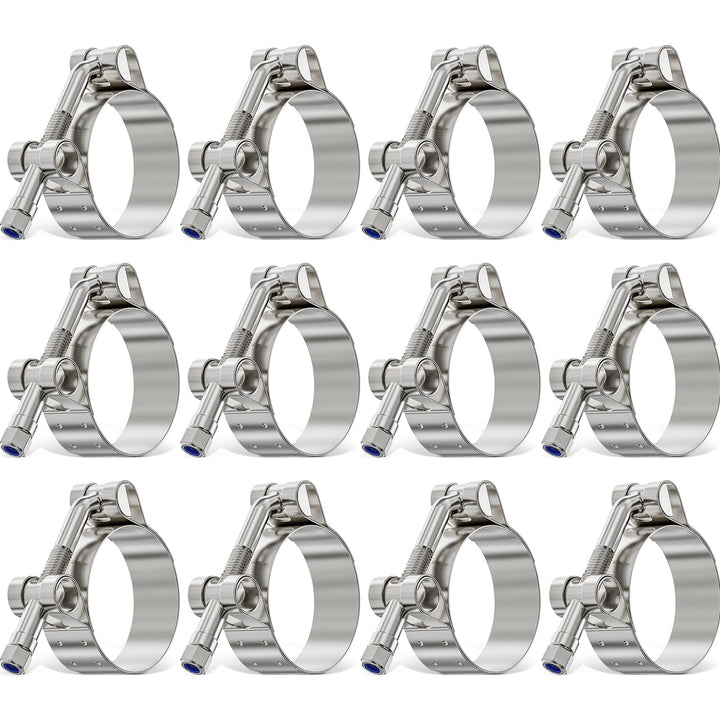
OURU T-Bolt Hose Clamps
All-304 stainless steel T-bolt clamps. Check the installed hose diameter, actual selected range, installation space, and equipment requirements before choosing this model.
View T-Bolt Specifications3. Compare Load, Temperature, and Vibration Needs
Check the complete system requirement rather than assuming that a stronger-looking clamp solves heat, vibration, or pressure. The hose and fitting are part of the decision.
4. Choose a Worm-Gear Option Only When Specified
For ordinary adjustable connections that specify worm gear, measure the hose over the fitting and match the range. Do not substitute it for a specified T-bolt or constant-tension design.
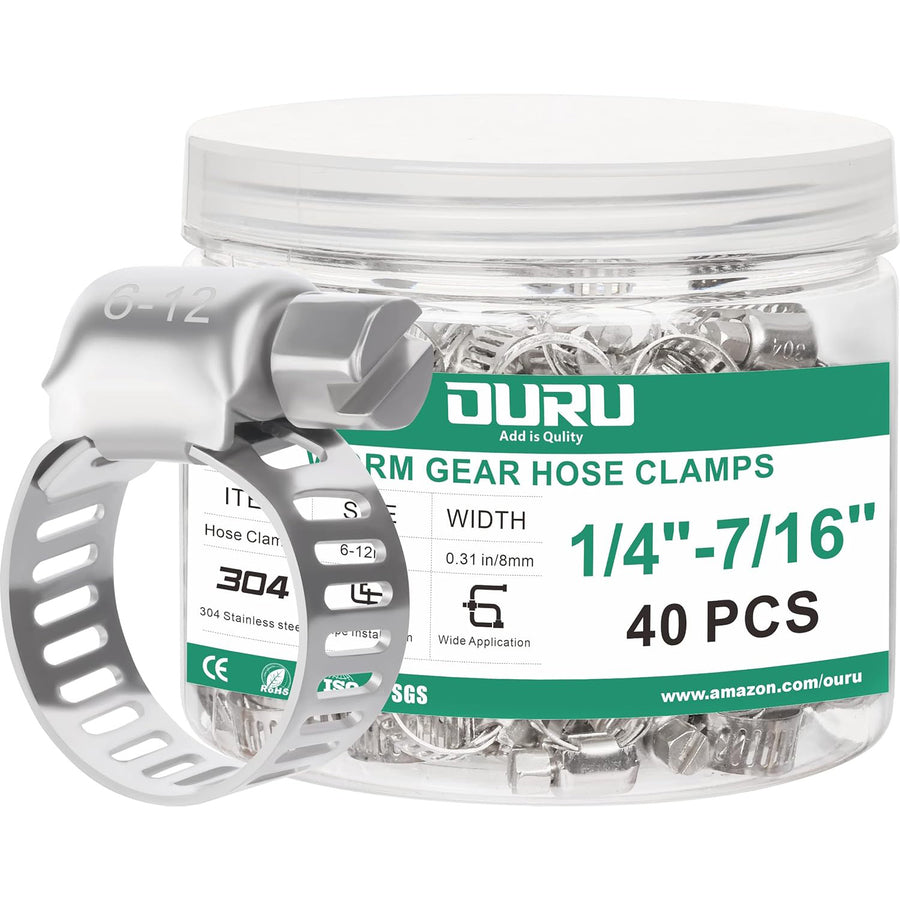
OURU Adjustable Worm-Gear Hose Clamps
Screw-adjusted 304 stainless steel clamps for connections that specify a worm-gear design. Compare the available diameter ranges with your measured hose OD.
View Worm-Gear Sizes5. Verify Actual Model Conditions
Check the product’s selected range and construction. Do not apply an old 32–37 mm statement to every T-bolt variant, and do not infer a maximum pressure from the product name.
6. Select Size, Install, and Recheck
Measure the assembled connection, position the band correctly, use the appropriate tool, and inspect after service. For multi-size worm-gear maintenance, compare kit contents first. Read How Much Pressure Can a Hose Clamp Hold? Real Limits, Not Marketing Myths before using “heavy-duty” as a pressure claim.
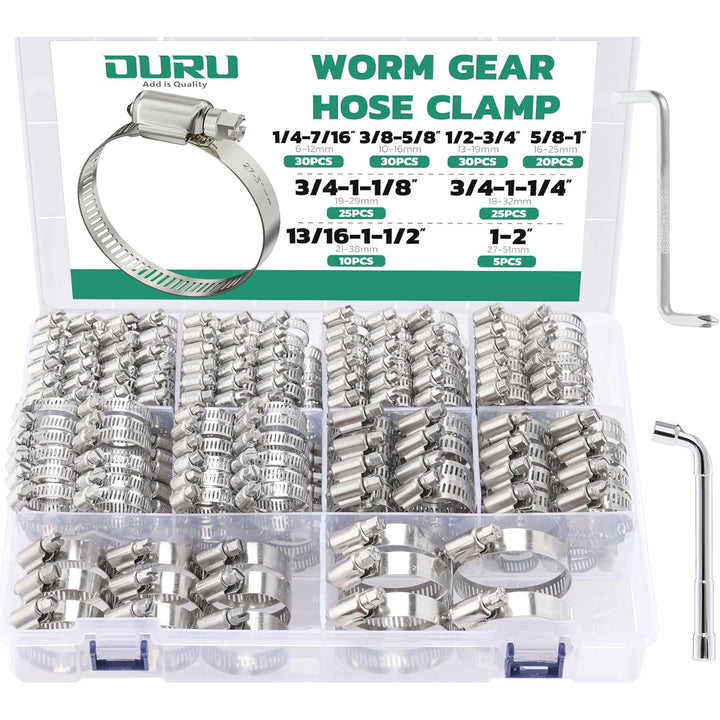
Worm-Gear Clamp Assortment
For multiple confirmed ordinary maintenance diameters. Review each included range and quantity; this is not a T-bolt upgrade or a pressure rating.
View Kit Sizes & Contents
Leave a comment