

Plastic Hose Clamps vs Metal Hose Clamps: When to Use Each
Choose a hose-clamp material from the service conditions, not price alone. The conveyed medium, temperature, mechanical load, pressure, vibration, UV exposure, corrosion environment, hose material, and fitting design all determine whether a plastic or metal clamp may be appropriate.
1. Define the Connection Requirements First
Before selecting a clamp, identify what the hose carries and how the system operates. Record the assembled outside diameter, temperature range, vibration, expected load, exposure to chemicals or sunlight, and the consequences of a leak. A clamp that is acceptable for a low-demand drain or light-duty line may be unsuitable for a hot, pressurized, fuel, chemical, or safety-critical connection.
Check the hose and fitting documentation as well as the clamp. A clamp cannot make a damaged hose, mismatched fitting, or unsupported connection safe.
2. Understand Plastic and Metal as Different Options
Plastic clamps can be useful in compatible low-load, low-temperature, and corrosion-resistant applications. Their actual suitability depends on the polymer, design, UV exposure, chemical compatibility, temperature limit, and required clamping load. Do not assume every plastic clamp can seal every hose or tolerate outdoor and high-heat service.
Metal clamps can offer an adjustable or more robust option when the system specifically requires it, but metal construction alone does not establish pressure capability, temperature capability, corrosion resistance, or suitability for every hose material.
3. Recognize the Limits of Plastic Clamps
Plastic can avoid some corrosion concerns and may be appropriate where the system documentation allows it. However, heat, UV exposure, chemical contact, creep, impact, or installation force can change its performance. Use a documented plastic product for the intended hose, fluid, and environment; do not replace a specified metal clamp with a generic plastic item for convenience.
No verified plastic sealing-clamp product is presented here. A PVC cable-support clamp is not a substitute for a plastic hose-sealing clamp.
4. Choose Metal Only When the Connection Calls for It
Where metal worm-gear hardware is appropriate, match the clamp’s adjustment range to the hose after it is fully seated on its fitting. Position the band on a supported part of the connection, use a tool that fits the screw head, and tighten gradually. Stop if the range is wrong, the hose shows damage, or the connection requires a different clamp structure.
Do not generalize a metal clamp into a high-pressure, high-temperature, or specialty-system recommendation without documentation for the complete connection.
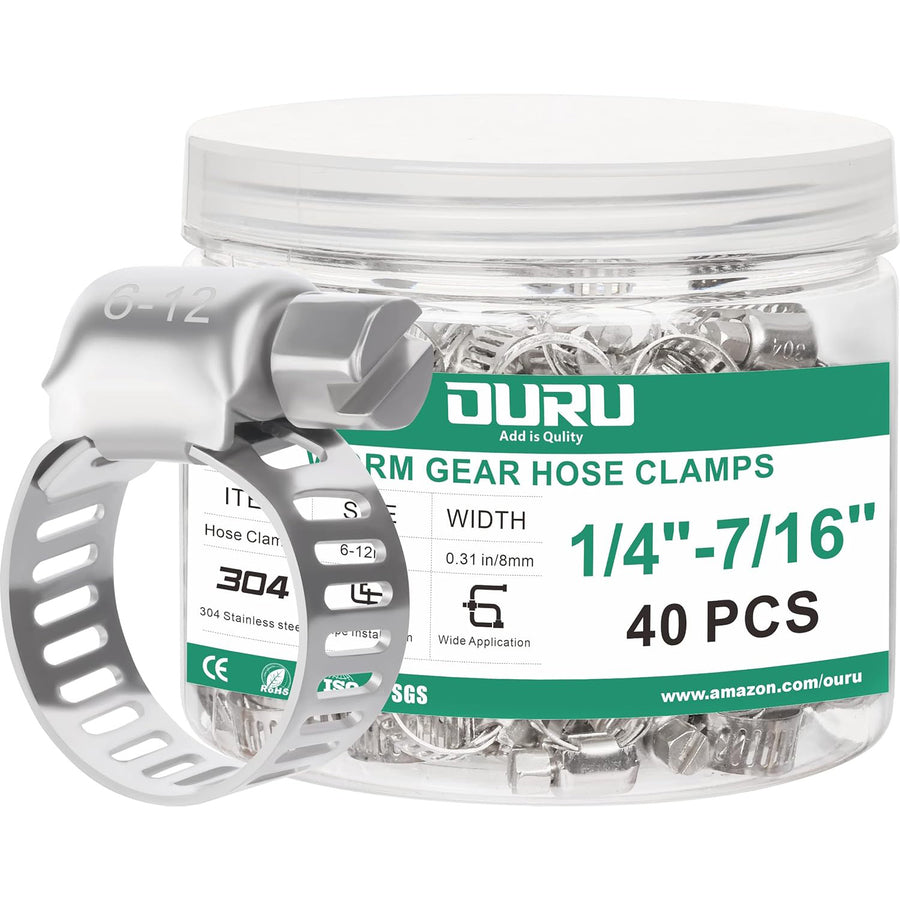
Metal Worm-Gear Hose Clamps
304 stainless steel clamps with adjustable screw-driven bands. Check the size range and application requirements before choosing metal hardware.
View Metal Clamp Options5. Compare Product Requirements, Not Just Cost
A lower initial price can be outweighed by an incorrect range, damaged hose, early corrosion, or a leak that requires rework. Compare the actual material, band construction, adjustment range, hose compatibility, environment, and installation requirements. Keep the system-specific clamp type when the equipment maker specifies one.
For a material comparison after you have chosen metal hardware, read Hose Clamp Materials Explained: Stainless Steel vs Other Types.
6. Match Size, Structure, and Maintenance Plan
Measure the finished hose-and-fitting assembly, then choose a clamp range that includes that dimension with room for controlled adjustment. Confirm whether the connection calls for a worm-gear, spring, ear, T-bolt, or another specified clamp structure. Recheck after the first operating or thermal cycle when the system requires it.
For multiple ordinary maintenance connections with confirmed sizes, compare every included range and quantity before purchasing an assortment.
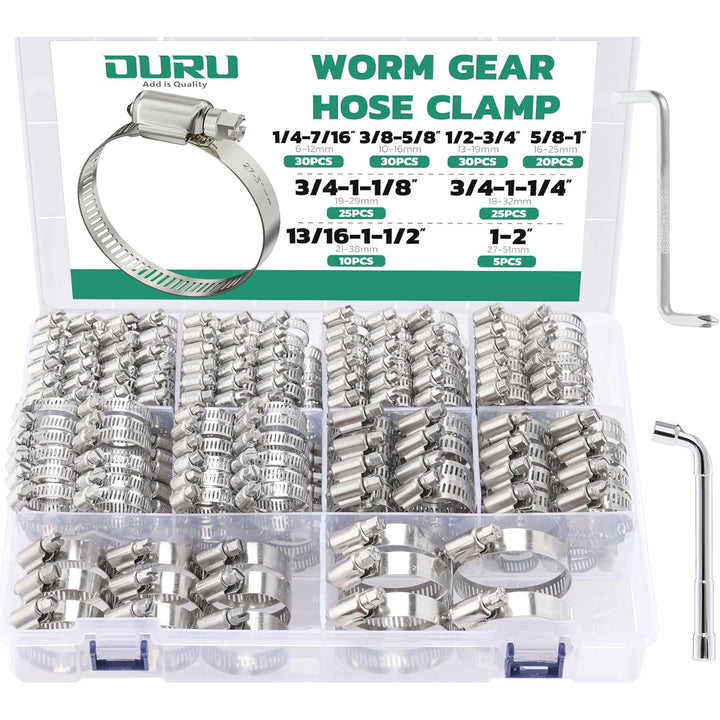
Worm-Gear Clamp Assortment
For ordinary maintenance projects with multiple confirmed hose diameters. Review the included ranges and quantities; a kit does not cover every application or pressure requirement.
View Kit Sizes & Contents7. Install and Inspect Without Over-Tightening
Inspect the hose and fitting before installation. Clean the surfaces, seat the hose correctly, position the band squarely, and use a suitable tool. Tighten only enough to produce the required secure seal; excessive force can cut, distort, or prematurely damage the hose.
After service is restored, inspect for leakage, hose deformation, band misalignment, corrosion, and loosened hardware. Replace damaged components rather than repeatedly tightening a failing connection.
8. Conclusion: Choose the Confirmed Material and Range
Plastic may be appropriate when a documented product and service condition support it. Choose a metal clamp only when the connection has been confirmed for that material and structure. Then verify the measured range, installation method, and maintenance needs rather than treating any metal clamp as universal.
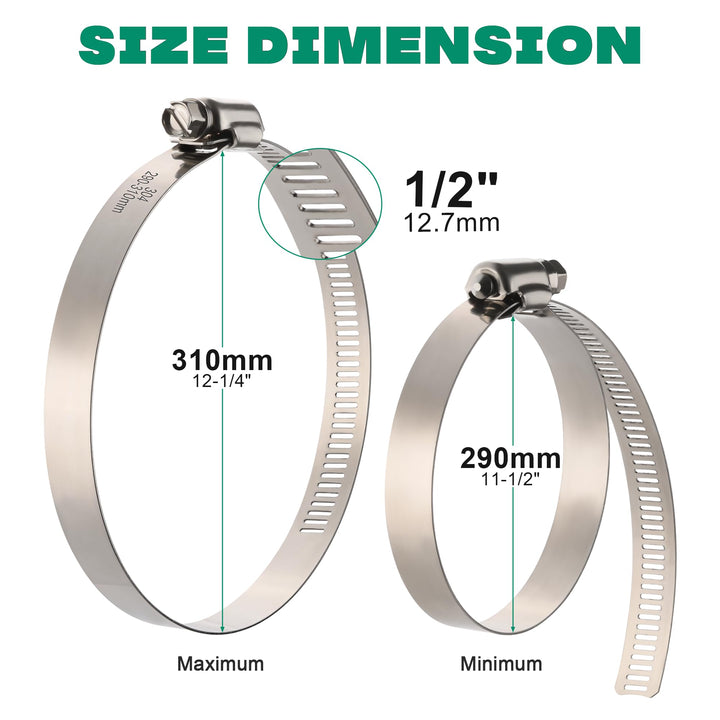
Large-Diameter Worm-Gear Hose Clamps
For measured larger hose assemblies where a worm-gear design and this product range have been confirmed appropriate. Verify the assembled outside diameter and connection requirements.
View Large Clamp Ranges
Leave a comment